


As the debate continues over the origins of the coronavirus, a fresh row has erupted over virus research being carried out in China using US funds.
It's linked to the unproven theory that the virus could have leaked from a lab in Wuhan, the Chinese city where it was first detected.
Republican Senator Rand Paul alleges that US money was used to fund research there that made some viruses (not the coronavirus) more infectious and more deadly, known as "gain-of-function".
But his assertion has been firmly rejected by Dr Anthony Fauci, the US infectious diseases chief.
What is 'gain-of-function' research?
"Gain-of-function" is when an organism develops new abilities (or "functions").
This can happen in nature, or it can be achieved in a lab, when scientists modify the genetic code or place organisms in different environments, to change them in some way.
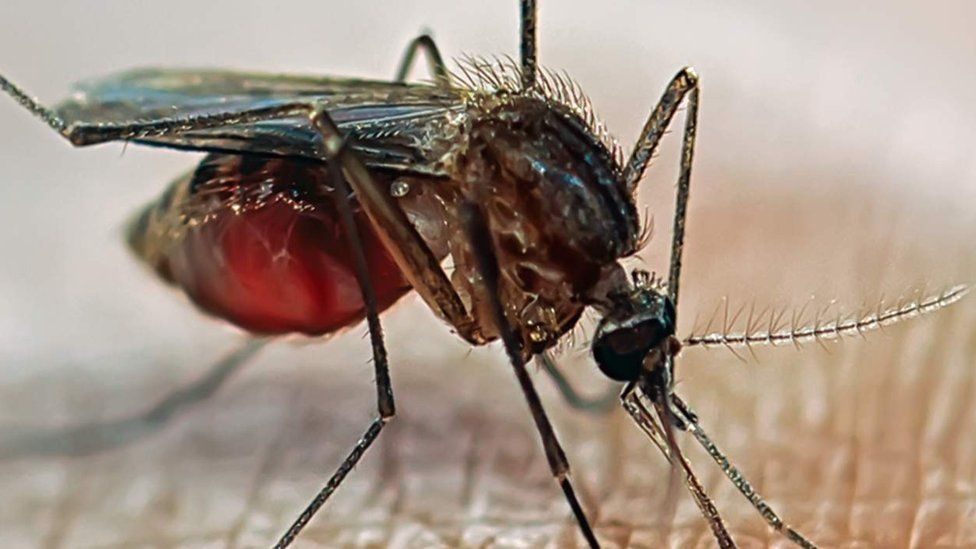
For example, this might involve scientists trying to create drought-resistant plants or modify disease vectors in mosquitoes to make them less likely to pass on infections.
With viruses that could pose a risk to human health, it means developing viruses that are potentially more transmissible and dangerous.
Scientists justify the potential risks by saying the research can help prepare for future outbreaks and pandemics by understanding how viruses evolve, and therefore develop better treatments and vaccines.
Did the US fund virus research in China?
Yes, it did contribute some funds.
Dr Fauci, as well as being an adviser to President Biden, is the director of the US National Institute of Allergy and Infectious Diseases (NIAID), part of the US government's National Institutes of Health (NIH).
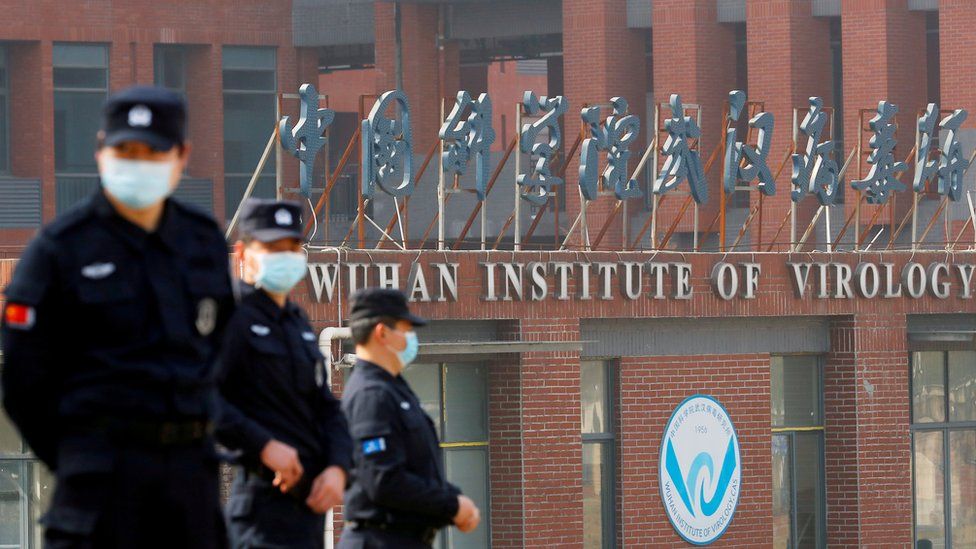
This body did give money to an organisation that collaborated with the Wuhan Institute of Virology.
That organisation - the US-based EcoHealth Alliance - was awarded a grant in 2014 to look into possible coronaviruses from bats.
EcoHealth received $3.7m from the NIH, $600,000 of which was given to the Wuhan Institute of Virology.
In 2019, its project was renewed for another five years, but was then cancelled in April 2020 because of the pandemic.


0 Comments